Kompletny przewodnik po organizacji zapasów mulin do haftu krzyżykowego
Uporządkuj swoją kolekcję mulin raz a porządnie — szpulki kontra woreczki, systemy sortowania, etykietowanie i warstwa cyfrowa, która śledzi co masz, gdzie jest schowane i co musisz kupić.
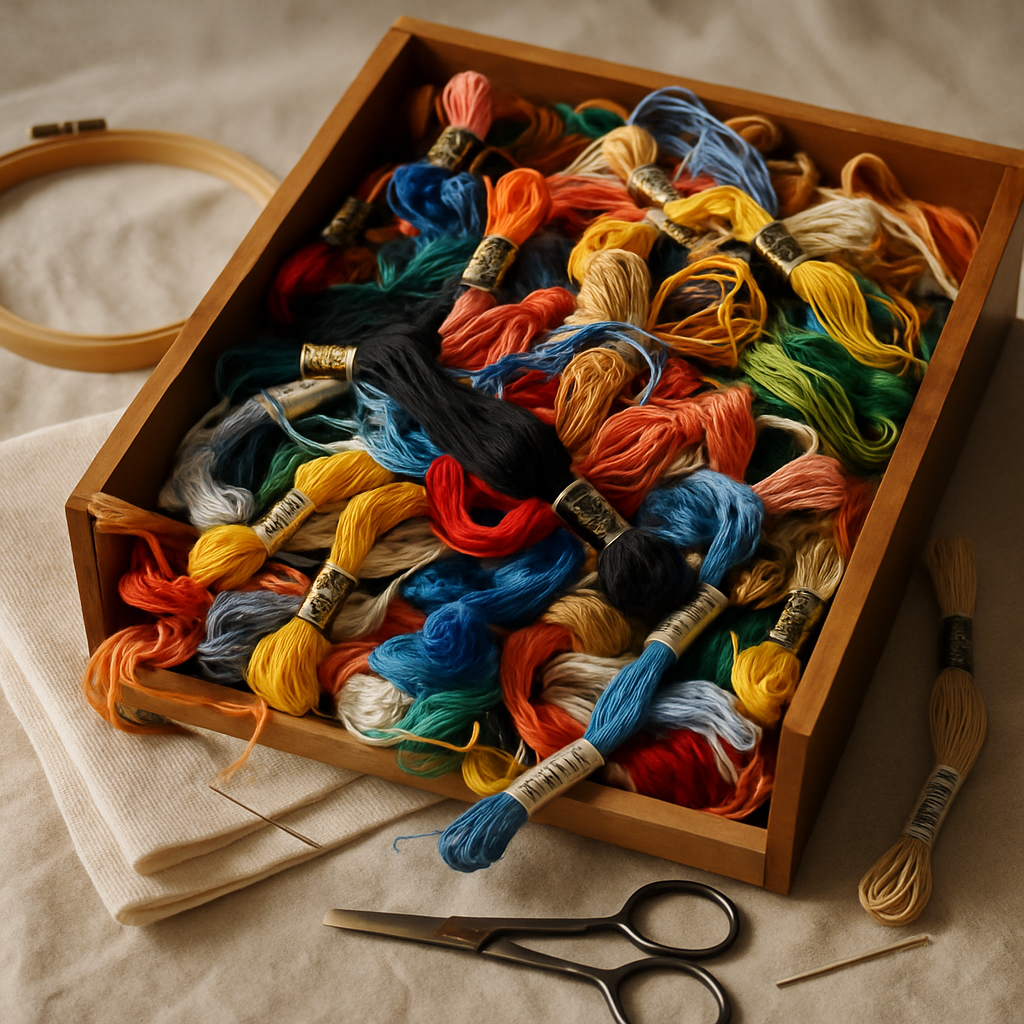
Każdy hafciarz prędzej czy później wpada na tę samą ścianę. Masz już trzy kolory zaczęte w nowym projekcie, wiesz, że masz DMC 310, i marnujesz dwadzieścia minut na przekopywanie poplątanej szuflady, zanim się poddasz i kupisz kolejny motek, którego nie potrzebujesz. Pomnóż to przez kilkaset kolorów i kilka lat, a niezorganizowany zapas po cichu kosztuje cię pieniądze, czas i radość z rozpoczęcia projektu w chwili, gdy uderza inspiracja.
Porządkowanie mulin to jedno z tych zadań, które wyglądają jak prokrastynacja, a w rzeczywistości są prezentem dla siebie z przyszłości. Ten przewodnik omawia fizyczne systemy, które działają, jak sortować i etykietować, żeby w sekundę znaleźć dowolny kolor, oraz część, którą większość poradników pomija: warstwę cyfrową, która mówi ci, co masz, gdy stoisz w sklepie pasmanteryjnym, pamięta, gdzie schowany jest każdy motek, i sama pozostaje aktualna, gdy haftujesz. Możesz wypróbować StitchThis za darmo, żeby od razu zacząć budować tę cyfrową stronę.
Najpierw wybierz fizyczny system
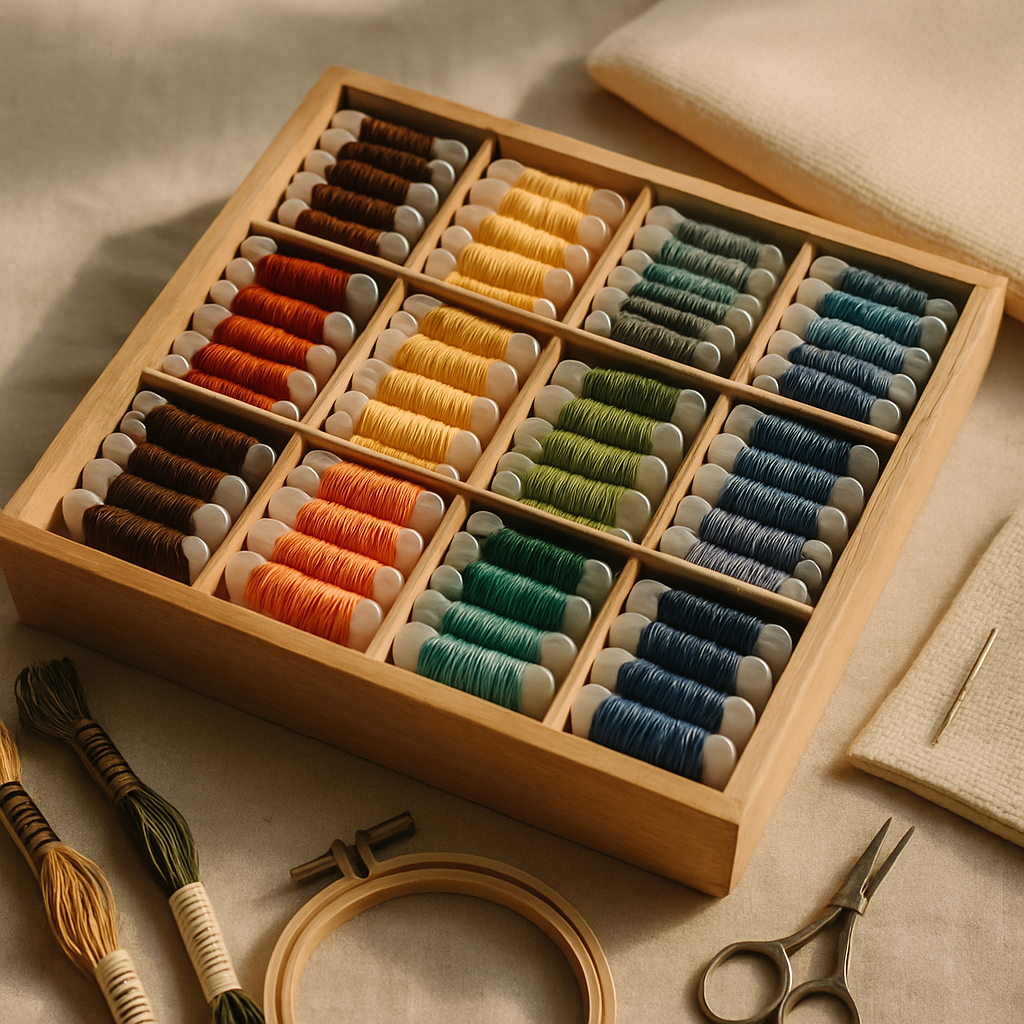 Nie ma jednej słusznej odpowiedzi — jest tylko system, który faktycznie będziesz utrzymywać. Trzy popularne podejścia, uczciwie porównane:
Bobinki w pudełkach (klasyk)
Nawiń każdy kolor na tekturową lub plastikową bobinkę, opisz numerem koloru i ułóż w pudełkach z przegródkami.
- Plusy: Kompaktowo, schludnie, łatwo przerzuca się po numerach, wygląda cudownie.
- Minusy: Nawijanie setek motków to spora inwestycja czasu, a niektórzy hafciarze uważają, że mulina nawinięta na szpulkę się załamuje.
Woreczki na muliny / saszetki na kółku
Trzymaj każdy kolor w małym opisanym woreczku, często zaczepionym na kółku.
- Plusy: Bez nawijania, mulina pozostaje rozluźniona, tanio, łatwo dodać kolejne.
- Minusy: Zajmują więcej miejsca niż bobinki, mogą wyglądać mniej porządnie.
Torby projektowe (organizacja według projektu, nie numeru)
Wybierz kolory pod jeden projekt i wrzuć je do dedykowanego woreczka lub organizera na muliny.
- Plusy: Bierzesz i ruszasz; wszystko do jednego WIP-a jest w jednym miejscu.
- Minusy: To system projektowy, nie zapasowy — wciąż potrzebujesz sposobu na uporządkowanie kolorów, których aktualnie nie używasz.
Wielu hafciarzy łączy oba podejścia: główny zapas (bobinki lub woreczki, posortowane po numerach) plus torby projektowe wyciągane z niego pod aktywne WIP-y.
Sortuj według numeru, nie według koloru
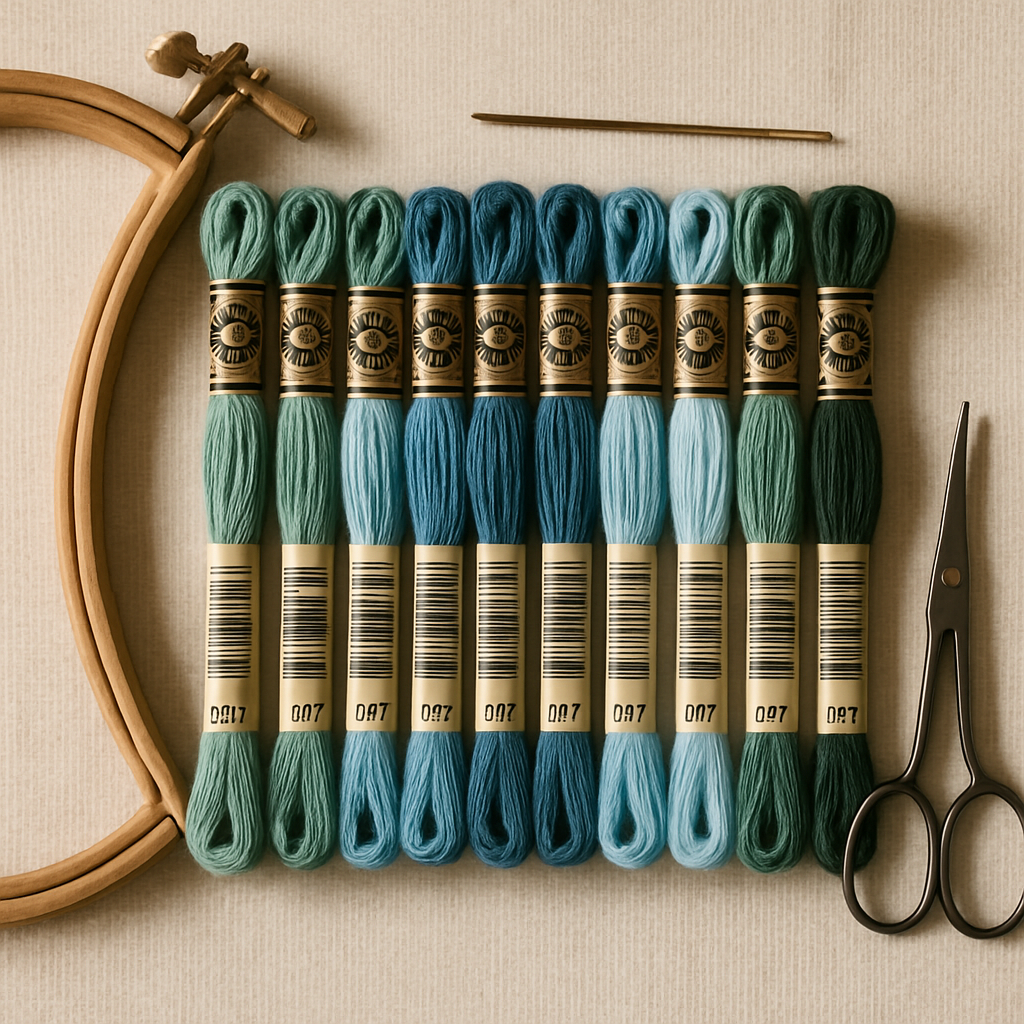 Odwieczna debata: sortować po numerze DMC czy po rodzinach kolorów (wszystkie błękity razem, wszystkie czerwienie razem)? Sortuj po numerze. Wzory wskazują konkretne numery, rodziny kolorów się rozmywają na granicach (czy ten morski to niebieski czy zielony?), a sortowanie numeryczne oznacza, że każdy motek ma dokładnie jedno właściwe miejsce. Sortowanie na oko wydaje się intuicyjne i rozsypuje się w chwili, gdy masz dwanaście podobnych zieleni.
Etykietuj wszystko, od razu
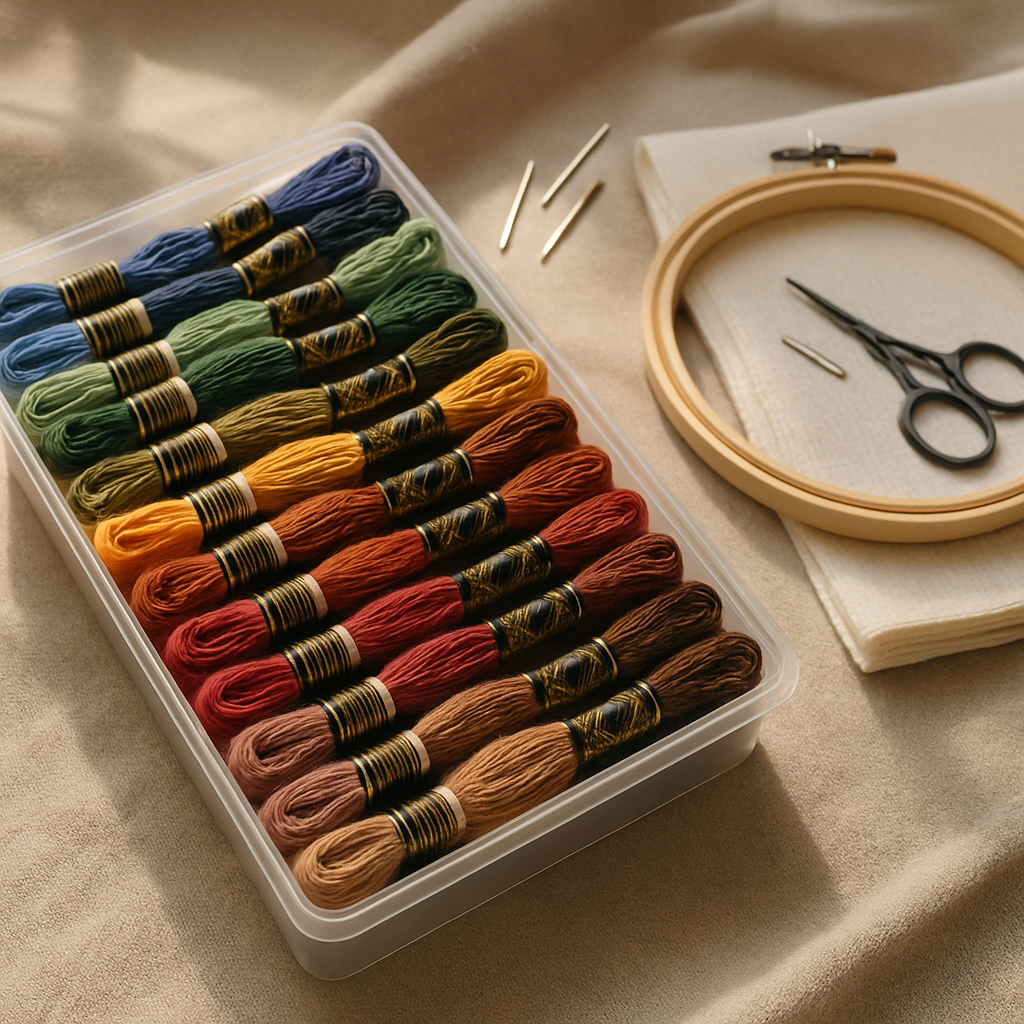 Błąd numer jeden w organizacji zapasów to luźny motek bez numeru. Papierowe banderole gdzieś wędrują, a nieopisanej muliny prawie nie da się rozpoznać na oko. Niezależnie od wybranego systemu:
- Opisz szpulkę, woreczek lub przegródkę numerem koloru w czytelny sposób.
- Opisz zanim motek trafi do schowka, nie "później".
- Trzymaj banderolę producenta tak długo, jak się da — to na niej wydrukowany jest numer.
Połowa, której nikt nie kończy: utrzymanie aktualności w czasie
Oto brudny sekret organizacji zapasów: fizyczne ustawienie to ta łatwa część. Utrzymanie aktualności — wiedza o tym, co masz, gdy dokupujesz, zużywasz nici i zaczynasz nowe projekty — to to, co naprawdę się sypie. Dwie wpadki przytrafiają się każdemu:
- Jesteś w sklepie i nie pamiętasz, co masz. Więc zgadujesz, i zgadujesz źle w obu kierunkach — kupując duplikaty i pomijając luki.
- Twój mentalny spis się rozjeżdża. Kończysz projekty, zużywasz kolory, dokupujesz nowe i po kilku miesiącach twoje wyobrażenie "co jest w szufladzie" już nie pasuje do rzeczywistości.
Piękna szuflada nie rozwiązuje żadnego z tych problemów. Warstwa cyfrowa — tak.
Warstwa cyfrowa: śledzenie nici w StitchThis
To tu organizacja przestaje być jednorazowym popołudniem i zaczyna być czymś, co utrzymuje się w aktualności. Śledzenie zapasów mulin w StitchThis to inwentarz, który nosisz w kieszeni, i jest zaprojektowany dokładnie pod te dwie wpadki powyżej.
Wprowadź swój zapas bez wpisywania 200 numerów
Powodem, dla którego większość cyfrowych narzędzi do zapasów umiera, jest konfiguracja — nikt nie chce ręcznie wpisywać setek numerów kolorów. StitchThis daje ci dwie szybkie ścieżki: zaimportuj plik CSV z arkusza, który wielu hafciarzy już prowadzi, albo sfotografuj swoje motki, żeby je wczytać. Minuty, nie wieczór.
Zapisz, gdzie mieszka każdy kolor
To funkcja, która łączy twój fizyczny system z cyfrowym: w narzędziu jest miejsce, żeby zanotować, gdzie schowany jest każdy kolor — "szuflada 2B", "pudełko 3, rząd 4", "niebieski woreczek". Więc kiedy wzór woła o DMC 825, nie dowiadujesz się tylko, że go masz — dowiadujesz się, że jest w szufladzie 2B. Najbardziej użyteczna rzecz, jaką może ci powiedzieć inwentarz, to nie czy masz dany kolor, tylko gdzie on jest.
Pozostaje aktualny, gdy haftujesz
Oto część, która trzyma cały system w ryzach: gdy kończysz wzór w narzędziu śledzenia wzorów StitchThis, użyte muliny są automatycznie odejmowane z twojego zapasu. Bez ręcznego odejmowania, bez powolnego rozjeżdżania się inwentarza. Wyhaftowana nić jest odpisana, więc to, co narzędzie pokazuje jako twój stan, faktycznie pasuje do tego, co leży w szufladzie. To różnica między inwentarzem, który raz konfigurujesz i porzucasz, a takim, któremu można zaufać rok później.
I odpłaca ci się za każdym razem, gdy zaczynasz lub kupujesz
Gdy twój zapas jest wprowadzony i aktualny, pracuje dla ciebie:
- Kupuj tylko braki. Każdy wzór generuje listę mulin, a porównana z twoim zapasem mówi dokładnie, których kolorów jeszcze potrzebujesz kupić — nie całej palety.
- Generuj wzory pod to, co masz. StitchThis preferuje generowanie wzorów w stronę mulin, które już są w twoim zapasie, więc nowe projekty opierają się na nitkach, po które możesz sięgnąć dziś wieczorem. (Więcej o tym w naszym przewodniku po doborze palety kolorów.)
Dlaczego śledzenie nici dopełnia twoją organizację: import przez CSV lub zdjęcie, zapisanie gdzie schowany jest każdy kolor (szuflada 2B), automatyczne odejmowanie mulin po ukończeniu wzoru, żeby stan pozostał prawdziwy, potem kupowanie tylko braków i generowanie pod twój zapas. Szuflada trzyma muliny; narzędzie trzyma prawdę. Zacznij za darmo →
Rutyna utrzymania, która naprawdę się trzyma
Organizacja to nie jednorazowe wydarzenie. Lekka rutyna nie pozwala się jej rozsypywać:
- Opisz i dodaj nową mulinę w dniu, gdy przychodzi — do swojej przegródki i do narzędzia z lokalizacją.
- Pozwól, by narzędzie śledzenia wzorów obsługiwało zużycie — kończenie projektów w StitchThis utrzymuje stan zapasu na bieżąco bez liczenia.
- Zrób szybką inwentaryzację kilka razy w roku — sprawdź wyrywkowo, czy narzędzie zgadza się z szufladą, i wcześnie wyłapiesz każde rozjechanie.
Najczęściej zadawane pytania
Jak najlepiej zorganizować muliny do haftu krzyżykowego? Wybierz fizyczny system, który będziesz utrzymywać — szpulki w pudełkach dla kompaktowości albo woreczki dla łatwości bez nawijania — i sortuj po numerze koloru, nie po rodzinie kolorów. Następnie prowadź cyfrowy inwentarz, żeby wiedzieć, co masz, kiedy jesteś poza domem.
Czy powinnam nawijać muliny na szpulki? Szpulki są kompaktowe i schludne, ułatwiają przerzucanie zapasu, ale nawijanie setek zajmuje czas i może załamywać mulinę. Woreczki na kółku omijają nawijanie i utrzymują nić rozluźnioną. Oba działają — wybierz to, czemu dasz radę.
Sortować muliny po numerze czy po kolorze? Po numerze. Wzory odwołują się do numerów, a rodziny kolorów szybko stają się nieoczywiste (podobne zielenie i odcienie morskie trudno odróżnić na oko). Sortowanie numeryczne daje każdemu motkowi jedno jasne miejsce.
Jak przestać kupować muliny, które już mam? Prowadź cyfrową listę zapasu, którą możesz sprawdzić podczas zakupów. Śledzenie nici w StitchThis importuje przez CSV lub zdjęcie, a lista zakupów z każdego wzoru pokazuje tylko kolory, których ci brakuje — więc nigdy więcej nie kupisz duplikatu motka.
Jak nie pozwolić, by mój inwentarz mulin się zdezaktualizował? Pozwól mu aktualizować się samemu. Gdy kończysz wzór w narzędziu śledzenia wzorów StitchThis, użyte muliny są automatycznie odejmowane z twojego zapasu, więc inwentarz pozostaje aktualny bez ręcznej księgowości.
Czy mogę zapisać, gdzie schowany jest każdy kolor? Tak — narzędzie śledzenia nici StitchThis pozwala zanotować lokalizację każdego koloru (np. "szuflada 2B"), więc możesz w sekundę znaleźć dowolny motek, zamiast tylko wiedzieć, że gdzieś go masz.
Uporządkuj raz, korzystaj na zawsze
Świetny system zapasów to dwie warstwy działające razem: fizyczne ustawienie, które naprawdę utrzymasz — posortowane po numerze, czytelnie opisane — i cyfrowy inwentarz, który wie, co masz, gdzie jest schowane, i pozostaje aktualny, gdy haftujesz. Zbuduj oba, a nigdy więcej nie kupisz duplikatu motka ani nie będziesz przekopywać szuflady w poszukiwaniu DMC 310.
Wypróbuj StitchThis za darmo, żeby skonfigurować śledzenie nici, które porządkuje dane, gdy twoje szuflady porządkują nici.
Gdzie StitchThis pasuje do tego procesu
Problem z mulinami robi się tylko trudniejszy, gdy twój zapas rośnie — i dlatego StitchThis jest zbudowany wokół niego z obu stron. Śledzenie zapasów mulin trzyma twój inwentarz — zaimportuj go raz przez wgranie pliku CSV (z dowolnego arkusza, który już prowadzisz) albo przez wgranie zdjęcia twojego organizera na muliny, a narzędzie zidentyfikuje każdy kolor w kilka sekund, zamiast poświęcać popołudnie na wpisywanie, które zwykle zabija cyfrowe narzędzia do zapasów. Stamtąd legenda każdego wzoru jest filtrowana przez to, co masz: lista zakupów pokazuje tylko braki.
Sama legenda może być wyświetlona w jednej z sześciu marek mulin — DMC, Anchor, Cosmo, Gamma, Madeira lub Metro — więc wzór trafia do ciebie w marce, którą faktycznie masz, a nie w marce, którą wybrał oryginalny projektant. StitchSense zachowuje kluczowe detale (twarze, oczy, ważne motywy) na wzorach z fotografii, jednocześnie upraszczając zatłoczone obszary, które produkują konfetti, a podgląd w przeglądarce pełni jednocześnie funkcję edytora schematu — stuknij każdy krzyżyk, by śledzić postęp, namaluj lub wypełnij nowe krzyżyki narzędziami edytora, zamień jeden kolor na drugi w całym schemacie albo dopracuj dowolne pole, zanim zabierzesz się za igłę i kanwę. Użytkownicy planu Studio dodatkowo mają wsadowe generowanie FORGE do produkcji kilku wariantów z jednego źródła. Wszystko eksportuje się do czystego PDF, gdy jesteś gotowy do druku lub sprzedaży. Od tworzenia wzorów przez śledzenie mulin po przeglądanie i edycję w przeglądarce — plus społeczność hafciarzy wokół tego — StitchThis to cały proces w jednym miejscu — wystarczająco, żeby załadować swój zapas i przepuścić projekt przez cały proces od początku do końca.
Wypróbuj StitchThis za darmo, żeby na bieżąco budować stronę zapasów.
Ready to turn your photo into a cross-stitch pattern?
Try StitchThis freeTwo patterns per month. No card required.