How to Sell Cross-Stitch Patterns on Etsy: Building a Brand That Stands Out
How to sell cross-stitch patterns on Etsy and build a brand that lasts — finding a niche, producing a cohesive collection fast, and turning listings into repeat buyers.
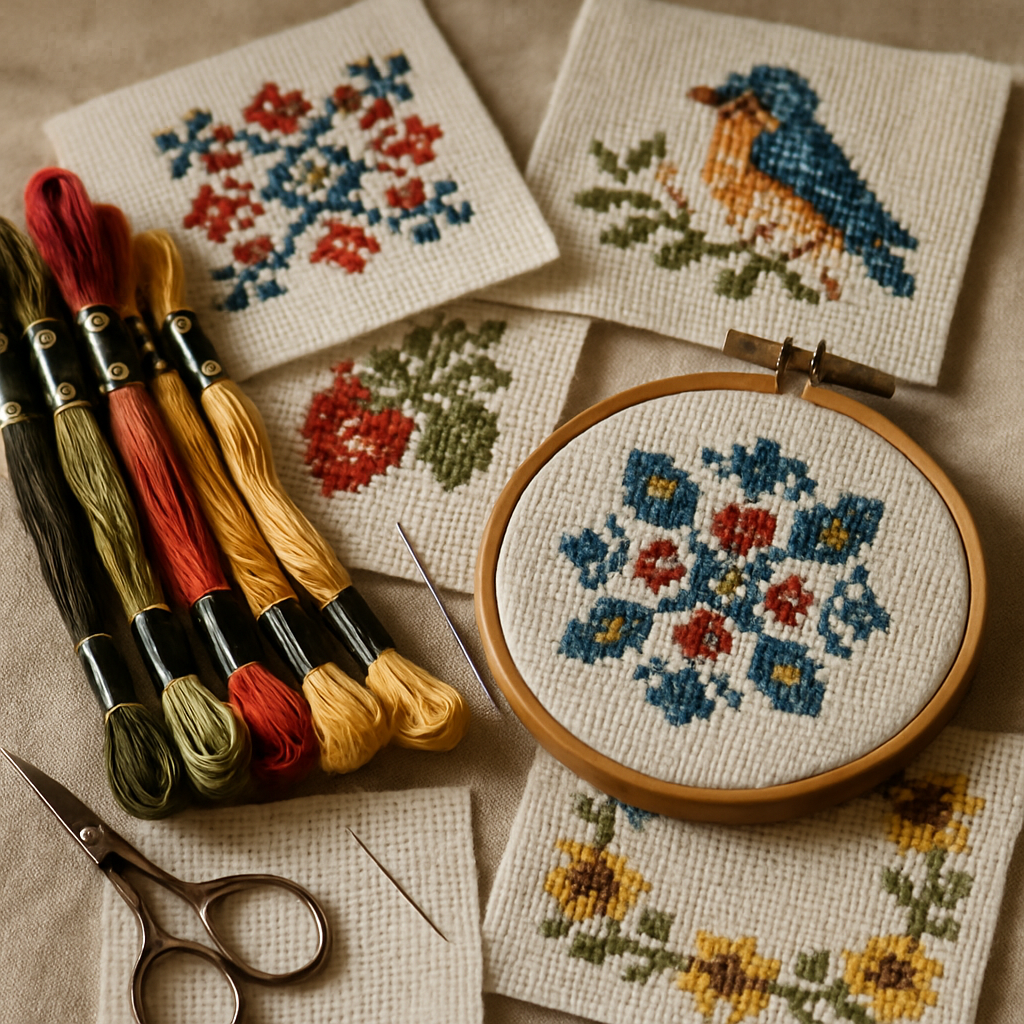
This is the hub of the StitchThis designer & seller cluster — start here for the brand-building strategy, then drop into the spokes at the bottom (pattern testing, commercial PDF prep, watermarking & licensing, palette work, pet-portrait commissions) as each one becomes relevant to your shop.
Search "cross stitch pattern" on Etsy and you'll scroll past tens of thousands of listings before your thumb gets tired. That's the reality every new pattern shop walks into: it isn't an empty market, it's a crowded one. And the shops that win in a crowded market don't win on a single clever design — they win on brand. A recognizable style, a consistent catalog, and a reason for a buyer to follow you instead of buying once and forgetting your name.
Here's the part most "how to sell on Etsy" guides skip, though: you cannot build a brand on three patterns. A brand needs a body of work — a cohesive collection deep enough to look intentional. And for a solo designer, producing that much consistent, quality work is the wall almost everyone hits. This guide is about getting over that wall: finding your lane, producing a real collection without burning out, and turning browsers into repeat buyers. If you want the production engine that makes it feasible, you can try StitchThis free.
Why most new pattern shops stall
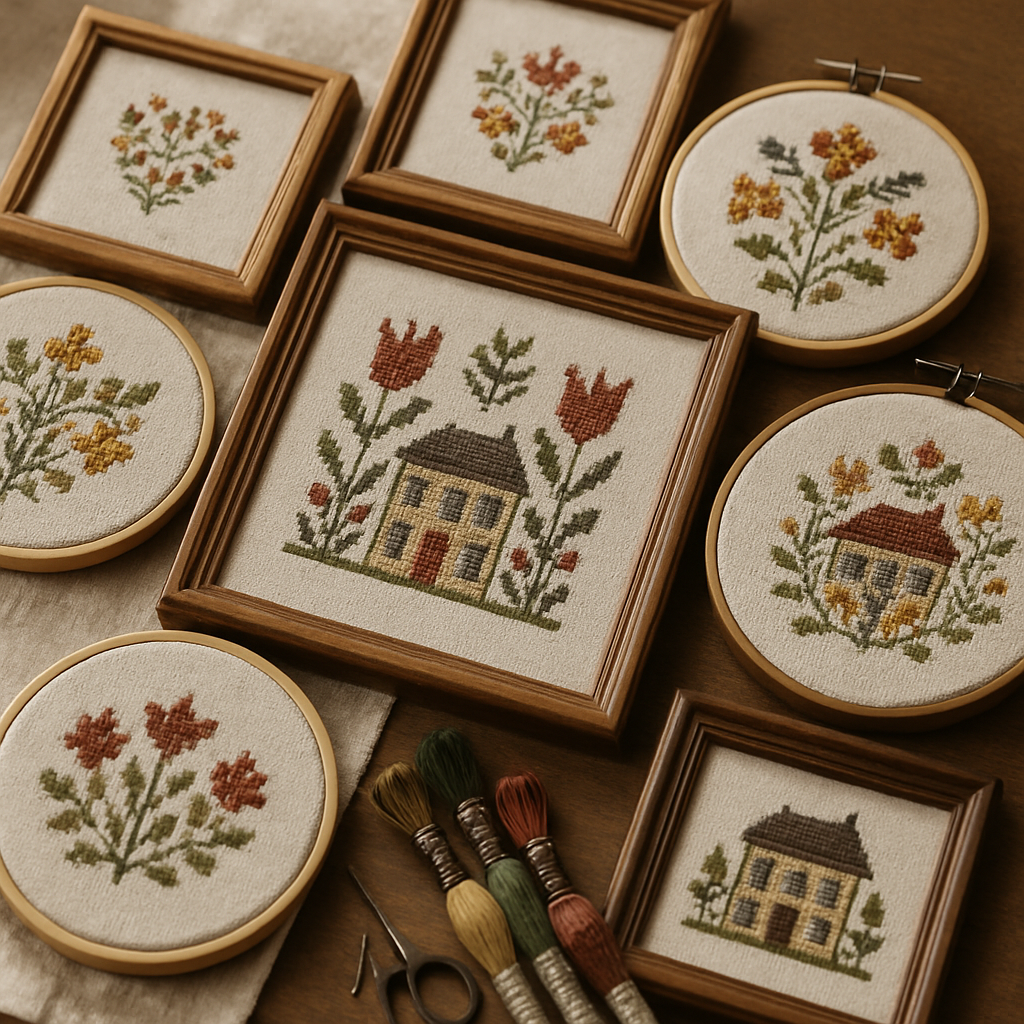 It's rarely a talent problem. It's a throughput problem. A new designer lists a handful of patterns, the shop looks thin and tentative, it doesn't rank or convert, motivation dips, and the shop quietly goes dormant. The shops that break through share one trait: they show up with enough cohesive work to look like a real brand from day one, and they keep adding to it.
So the strategic question isn't "what's my best single design?" It's "how do I produce a consistent collection fast enough to build momentum before I lose steam?" Keep that question in mind — it's what the rest of this guide answers.
Step 1: Pick a lane narrow enough to own
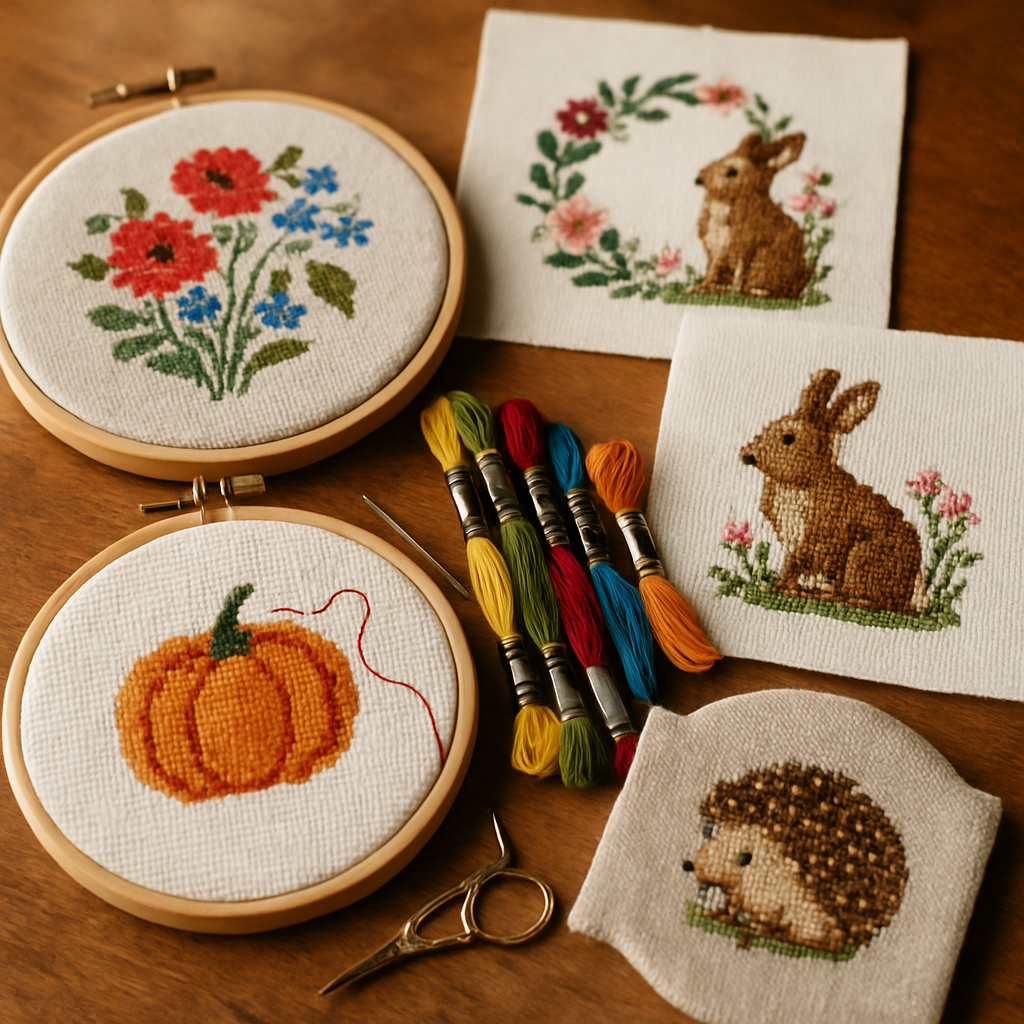 Broad shops drown. Specific shops get found and remembered. Instead of "cross stitch patterns," own something:
- A subject: pet portraits, wedding and anniversary keepsakes, birth samplers, houseplants, a fandom.
- A style: minimalist line-art, moody gothic, bright modern, vintage reproduction.
- A use case: beginner-friendly weekend kits, photo-to-pattern custom work, memorial pieces.
Niching does double duty: it makes your shop findable (you rank for specific searches instead of competing with everyone) and it makes your brand coherent (every new pattern reinforces the last). If you offer custom photo work, our guides on pet portrait commissions and charting a wedding photo go deep on those specific lanes.
Step 2: Build a visual identity buyers recognize
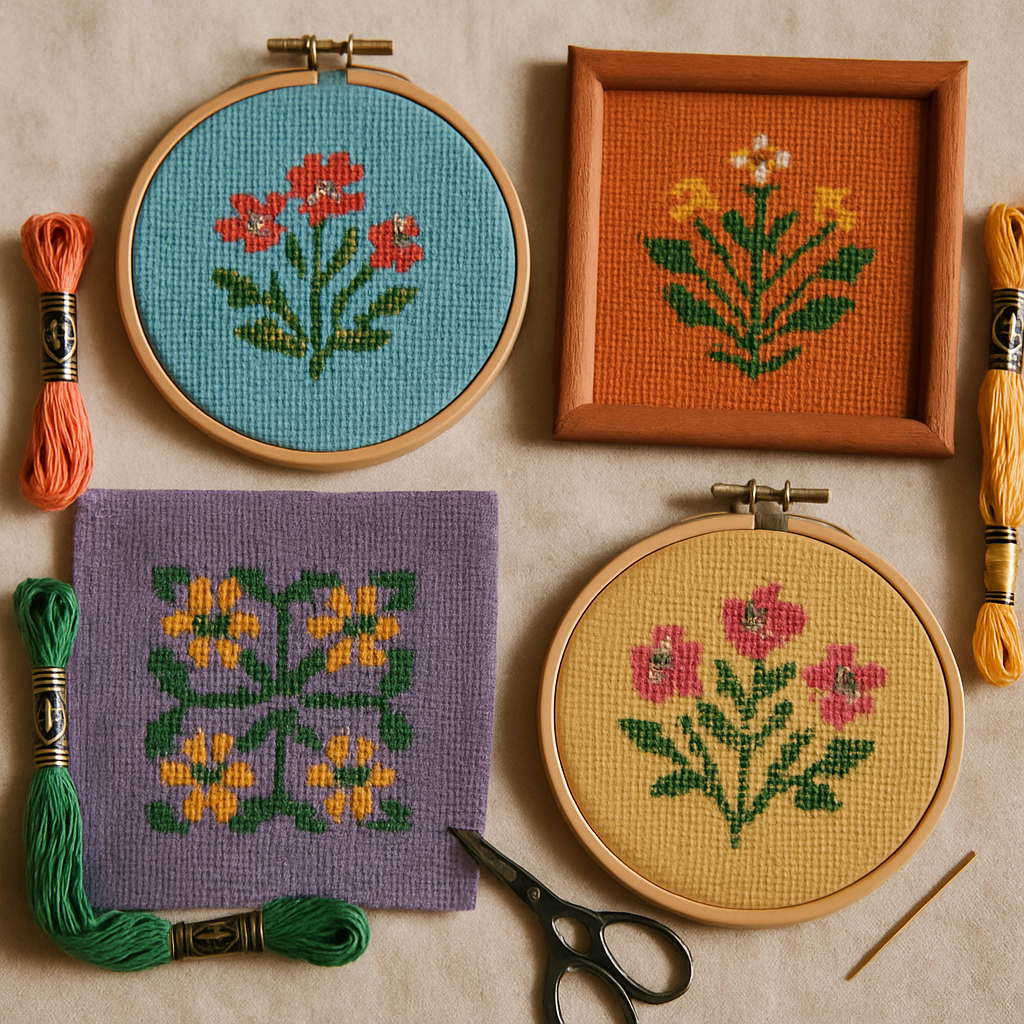 Once you've got a lane, make the work look like a set. A buyer should be able to tell two of your patterns came from the same shop without reading the name. That consistency comes from a few repeatable choices:
- A signature palette range. Leaning on a consistent family of colors across designs is one of the fastest ways to look like a brand rather than a stock pile. (More on choosing color in our forthcoming palette selection guide.)
- A consistent level of detail and finish. A shop where every pattern stitches up at a similar quality builds trust.
- A repeatable listing look. Same mockup style, same cover-image treatment, same PDF layout every time.
The thread running through all of that is consistency at volume — which is exactly where production becomes the bottleneck, and exactly where the next step matters.
Step 3: Produce a cohesive collection — fast — with FORGE
This is the heart of it. To build a brand you need a catalog, and producing a deep, consistent catalog by hand is the single biggest reason solo designers stall out. Each pattern is hours of work, and keeping fifty of them visually consistent is its own challenge.
FORGE is built for exactly this problem. It's StitchThis's Studio-tier batch workflow, designed to save you the time that pattern generation normally eats. From a single image it generates multiple pattern variations — different palettes and color treatments — and auto-scores them, so you're picking the strongest version from a ranked set instead of trial-and-error. Point it at a whole ZIP of images and it batch-processes them together, turning what would be a week of one-at-a-time work into a single job.
For brand-building, that changes the math completely:
- Launch with depth, not three lonely listings. Produce a coherent opening collection instead of dribbling out one pattern a month.
- Keep a consistent look across the catalog. Running designs through the same workflow with the same palette choices is what makes a collection look like a collection.
- Spend your time on the business, not the grind. Hours saved on generation go into listings, marketing, and customer care — the things that actually grow a shop.
The StitchThis production pipeline, end to end: turn a photo into a faithful pattern (image-to-pattern engine + StitchSense), batch-generate and auto-score a whole collection (FORGE), refine colors against real floss (multi-brand palettes), clean up the chart (pattern editor), and export a professional file (clean PDF) — all under a Studio commercial license that covers selling what you make. One pipeline, a whole shop's worth of product. Start free →
Step 4: Make every pattern genuinely stitchable
Volume only helps if the quality holds. Etsy runs on reviews, and the fastest way to tank a new shop is a pattern that's a miserable, confetti-riddled slog. Two safeguards:
- Control the detail level. StitchThis offers quality presets — Simplified, Balanced, Detailed, and Full Color — so you can dial a design toward "clean and stitchable" rather than shipping a chart with stitches in two hundred barely-different colors.
- Clean up before you list. Unlike most progress trackers, which only let you mark off completed stitches, StitchThis's viewer also lets you edit the chart — paint out stray confetti stitches, flood-fill a region, or swap every instance of one color — so you can tidy a pattern before it ever goes live. Then proof it: stitching a tricky section yourself is the discipline in our designer's guide to pattern testing.
A stitchable pattern earns the five-star review. The five-star review sells the next ten patterns. That's the whole flywheel.
Step 5: Ship professional listings
Your listing is the storefront. Three things move the needle most:
- The PDF itself. Buyers judge you by the file. A clean cover, a full legend, properly tiled pages — our pattern PDF best practices guide is the checklist. StitchThis exports that professional PDF for you.
- The photos and mockups. Show the chart and a finished-look preview so buyers know what they're building toward. (A dedicated mockup guide is forthcoming.)
- The SEO. Title and tags should match how buyers actually search — "pet portrait cross stitch pattern," "minimalist floral cross stitch," not just "pattern." Specific beats clever.
Step 6: Price it like a business, protect it like an asset
Two final pillars:
- Pricing. Don't race other shops to the bottom. Price for the value and the niche — a custom or premium pattern isn't a $3 commodity, and underpricing actually signals lower quality. A full breakdown is coming in our dedicated pricing guide.
- Protection. Digital patterns get copied. Understanding watermarking and licensing before you scale protects the catalog you're working so hard to build, and a Studio commercial license keeps your own selling on solid footing.
Frequently asked questions
Is it worth selling cross-stitch patterns on Etsy in a crowded market? Yes — but on brand and niche, not on a single design. Shops that own a specific lane and show up with a cohesive, growing catalog stand out; thin, generic shops get buried.
How many patterns do I need to launch a shop? More than three. You want enough cohesive work to look intentional. The practical barrier is producing that much consistent quality, which is why a batch workflow like FORGE matters — it lets you launch with real depth instead of a handful of listings.
How do I keep my patterns looking like a consistent brand? Lean on a signature palette range, a consistent detail level, and a repeatable listing and PDF look. Running designs through the same workflow is what makes a catalog look like a collection rather than a pile.
How do I avoid bad reviews on Etsy? Ship stitchable patterns. Control the detail level so designs aren't confetti nightmares, clean up stray stitches in the editor before listing, and stitch-test a section yourself. Quality is what earns the reviews that sell the rest of your shop.
Do I need a commercial license to sell patterns I make? Yes. StitchThis Studio includes a commercial license that covers selling what you produce, alongside analytics to see what's working.
Build the shop, not just the listing
Anyone can list a pattern. Building a brand — a recognizable lane, a cohesive catalog, and patterns that earn their reviews — is what turns an Etsy shop into a business. The wall is production, and that's exactly what the StitchThis pipeline is built to knock down: FORGE to produce a collection fast, the tools to keep it consistent and stitchable, and a professional PDF to sell.
Try StitchThis free to start building your pattern catalog, and move up to Studio with FORGE and a commercial license when you're ready to sell.
Why StitchThis fits a designer workflow
The bottlenecks that slow down a serious designer aren't the cross-stitches themselves — they're the support pipeline around them. StitchThis is built to compress that pipeline. Photo-to-pattern conversion turns your source images into faithful charts, with StitchSense keeping detail where the eye lands and simplifying what's behind it, so portrait work doesn't dissolve into confetti. Studio-tier FORGE batch generation spins out several palette and treatment variations from a single source so you can pick the best version rather than committing to the first chart. The in-browser viewer doubles as a chart editor — paint, fill, change-all, half-stitch and backstitch tools — so post-generation cleanup happens in the same place as generation, not in a separate desktop app.
For the output side: every pattern exports as a clean PDF ready for branding and selling, with the legend rendered in any of six floss brands (DMC, Anchor, Cosmo, Gamma, Madeira, Metro) for buyer accessibility. The Studio commercial licence covers your right to sell what you produce. The floss stash tracker — populated by CSV upload or by photographing your skein organiser — keeps your own stash inventory accurate as you stitch test pieces, so test-stitching the patterns you sell doesn't ambush your floss budget. The free tier lets you run the full pipeline before committing; Studio adds FORGE and commercial licensing when you're ready to scale.
Try StitchThis free — the foundation a serious designer catalogue is built on.
Continue building your shop
This guide is the hub of the StitchThis designer cluster — the high-leverage pieces below take each part of the shop deeper. Read them in any order as the work demands.
Production quality (what separates an amateur shop from a brand)
- The Designer's Guide to Cross-Stitch Pattern Testing — recruiting testers, running the test, separating real bugs from preferences, and shipping clean. The single biggest review-rating lever you control.
- Cross-Stitch Pattern PDF Best Practices for Designers — what separates an amateur PDF from a professional one — chart layout, symbols, legends, print-proofing, and the export-import-edit-track lifecycle buyers expect.
- Cross-Stitch Color Palette Selection Guide — choosing palettes that look good and stitch well: color count, value over hue, brand choice, and how to build a consistent palette identity across a collection.
Protect the work and build a sustainable shop
- Cross-Stitch Pattern Watermarking and Licensing — practical watermarking that doesn't ruin usability, clear licensing terms, and the finished-object question. Decide these BEFORE your first sale.
- How to Sell Pet Portrait Cross-Stitch Commissions — the highest-margin Etsy-adjacent business in the niche, fully covered: intake, production speed with FORGE, pricing, and delivery.
Source images for sellable patterns
Most of the shops that win Etsy lean on photo-to-pattern. The Photo pillar covers source-photo strategy in depth:
- Free Cross-Stitch Patterns from Your Own Photos — the foundational photo-conversion workflow.
- How to Make a Cross-Stitch Pattern from a Wedding Photo — high-LTV niche, often the entry point for personalised commission shops.
- How to Photograph Your Pet for a Cross-Stitch Pattern — coach your commission clients here so the photos they send you are actually workable.
- Cross-Stitch Family Portrait Pattern Guide — group portrait work, the hardest commission category to nail (and the highest priced).
- Memorial Cross-Stitch Patterns: A Thoughtful Guide — the emotional-portrait commission category; different tone, very real demand.
Foundations & terminology
- Cross-Stitch Pattern Maker vs Generator: What's the Difference? — the terms you'll hear from buyers; know how to position your work for both audiences.
- Cross-Stitch Pattern Maker for Mac (Definitive Guide) — software comparison from a working-designer angle.
- DMC vs Anchor Floss: Conversion Chart and Pro Tips — when buyers in different regions need different brand legends, this is the conversion you'll do most.
Ready to turn your photo into a cross-stitch pattern?
Try StitchThis freeTwo patterns per month. No card required.